


Discover Modern EV Charging Solutions
Electric vehicles (EVs) are becoming increasingly popular as people seek cleaner, more sustainable transportation options. With this rise in EV ownership, the demand for efficient and accessible charging infrastructure has never been higher. Modern EV charging solutions are evolving rapidly to meet these needs, offering convenience, speed, and smart technology integration. This article explores the latest advancements in EV charging, practical tips for choosing the right charger, and how these innovations are shaping the future of electric mobility.
Understanding Modern EV Charging Solutions
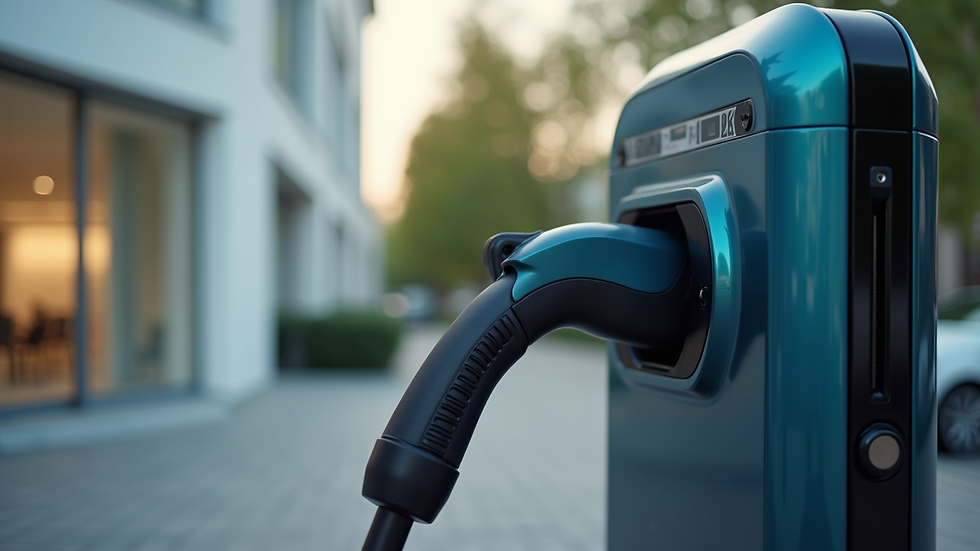
EV charging solutions today go far beyond the simple plug-in chargers of the past. They encompass a range of technologies designed to make charging faster, safer, and more user-friendly. There are three main types of chargers commonly used:
Level 1 Chargers - These use a standard household outlet (230V in the UK) and provide a slow charge, typically adding 3-5 miles of range per hour. They are best suited for overnight charging at home.
Level 2 Chargers - These require a dedicated charging unit and provide faster charging speeds, adding around 15-30 miles of range per hour. They are ideal for home installations and public charging points.
DC Fast Chargers - These are high-powered chargers found mostly in public locations, capable of charging an EV to 80% in 20-40 minutes. They use direct current (DC) to bypass the vehicle’s onboard charger.
Modern EV charging solutions also include smart features such as app connectivity, scheduling, and energy management. These allow users to monitor charging remotely, optimise charging times to take advantage of lower electricity rates, and even integrate with renewable energy sources like solar panels.
Benefits of Advanced EV Charging Solutions
Upgrading to modern EV charging solutions offers several advantages:
Faster Charging Times: With Level 2 and DC fast chargers, EV owners spend less time waiting and more time driving.
Convenience: Smart chargers can be controlled via smartphone apps, allowing users to start or stop charging remotely.
Cost Savings: Scheduling charging during off-peak hours can reduce electricity bills.
Energy Efficiency: Integration with home energy systems and renewable sources helps reduce carbon footprints.
Enhanced Safety: Modern chargers come with built-in safety features such as overload protection and weather resistance.
For example, a homeowner with a solar panel system can use a smart EV charger to prioritise solar energy for charging during the day, reducing reliance on grid electricity and lowering costs.
Choosing the Right EV Charging Solution for Your Needs
Selecting the best EV charging solution depends on several factors:
Vehicle Compatibility: Check your EV’s charging capabilities and connector type.
Charging Speed Requirements: Consider how quickly you need to charge your vehicle.
Installation Location: Home chargers require suitable electrical infrastructure, while public chargers may offer different options.
Budget: Prices vary widely depending on charger type and features.
Smart Features: Decide if you want app control, scheduling, or energy management.
For home use, a Level 2 charger is often the best balance between cost and charging speed. Professional installation is recommended to ensure safety and compliance with electrical standards.
If you frequently travel long distances, access to DC fast chargers along your route can be a game-changer. Many public locations now offer these high-speed chargers, making long trips more feasible.
To explore a range of reliable and efficient options, consider checking out ev charging stations that offer professional installation and support.

The Role of Smart Technology in EV Charging
Smart technology is transforming how EVs are charged. Modern chargers often come equipped with features such as:
Remote Monitoring and Control: Users can start, stop, and schedule charging sessions from their smartphones.
Load Balancing: Chargers can adjust power delivery based on household energy use to prevent overloads.
Energy Usage Reports: Detailed insights help users track consumption and optimise charging habits.
Integration with Renewable Energy: Chargers can prioritise solar or wind energy when available.
Payment Systems: Public chargers often include contactless payment options for ease of use.
These features not only improve user experience but also contribute to grid stability by managing demand intelligently. For instance, during peak hours, smart chargers can reduce power draw or delay charging to off-peak times, helping to balance the electricity grid.
Future Trends in EV Charging Solutions
The future of EV charging looks promising with several exciting trends on the horizon:
Wireless Charging: Inductive charging pads embedded in driveways or parking spaces will allow EVs to charge without cables.
Ultra-Fast Charging: New technologies aim to reduce charging times to just a few minutes, comparable to refuelling a petrol car.
Vehicle-to-Grid (V2G) Technology: EVs will not only draw power but also supply energy back to the grid during peak demand.
Increased Charging Network Coverage: Expansion of public charging infrastructure will make EV ownership more convenient.
Standardisation and Interoperability: Efforts to unify charging standards will simplify the user experience across different networks and vehicle brands.
These innovations will make EVs more accessible and practical for a wider audience, accelerating the transition to sustainable transport.
Making the Switch to Electric Easier
Adopting modern EV charging solutions is a key step in embracing electric mobility. Whether you are a new EV owner or looking to upgrade your current setup, understanding the available options and technologies can help you make informed decisions.
Assess your daily driving needs to determine the appropriate charger type.
Consult with certified installers to ensure safe and compliant installation.
Take advantage of smart features to save money and reduce environmental impact.
Plan for future upgrades as technology evolves and your needs change.
By investing in the right EV charging solution, you can enjoy the benefits of electric driving with confidence and convenience.
Modern EV charging solutions are not just about powering vehicles - they represent a shift towards smarter, cleaner, and more efficient energy use. Embracing these technologies today paves the way for a sustainable tomorrow.


hi